
Income & Monetization
From Views to Income: Optimize Your YouTube Monetization Strategy
August 26, 2026
Learn the best mix of AdSense, memberships, Super Chat, affiliate, and sponsorships—plus a step-by-step plan to monetize on YouTube’s new rules.
YouTube’s monetization rules are evolving, and your revenue strategy can’t stay stuck in “views only.” The creators winning right now don’t rely on a single stream—they build a resilient revenue mix that matches their audience, content format, and how people actually spend money. Here’s how to monetize under YouTube’s new rules using AdSense, memberships, Super Chat/Super Thanks, affiliate, and sponsored content—together.
Before you add new monetization methods, map your channel to a realistic income model. A simple approach is to create a 3-layer “ladder” based on customer intent: free attention → low-friction support → high-value partnerships. On YouTube, that typically looks like this:
Layer 1: AdSense (highest volume, longer time horizon)
Layer 2: Community monetization (Memberships + Super Chat/Super Thanks)
Layer 3: Direct money (affiliate + sponsored content + digital products)
Now translate that into numbers. For example, imagine a mid-size creator earning roughly $0.01–$0.03 RPM (revenue per 1,000 views) depending on niche, geography, and ad inventory. If you get 200,000 views/month, AdSense might land around $2–$6/month at first (and can be more with higher CPM niches). That doesn’t mean AdSense is “bad”—it means it’s rarely the foundation.
Action step: Build your content creator business plan as a spreadsheet with 12 months. Add 3 targets: monthly views, monthly members/transaction count, and monthly sponsor/affiliate placements. Then choose “primary” and “secondary” streams. Primary means you design content to drive it; secondary means you opportunistically add it where it fits.
If your channel is tutorial-heavy (high search intent), affiliate and sponsorships usually perform well because buyers trust demonstrations. If your channel is live or community-driven, memberships and Super Chat/Super Thanks often outperform pure AdSense because viewers convert when they feel present.
AdSense still matters, but the path is narrower. Under YouTube’s ongoing focus on advertiser suitability and audience signals, the best AdSense strategy is less about “chasing ads” and more about creating content that holds attention and earns trust. Think of AdSense as a byproduct of viewer value, not a lever you pull directly.
In practice, creators usually see AdSense rise when they improve: watch time per viewer, session starts, and demographics/regions that attract advertisers. Even if you’re unsure about RPM, you can track performance using cross-platform analytics to see what content is earning engagement and retention—not just clicks.
Action steps to stabilize AdSense:
1) Create “series” videos that increase repeat viewing. Example: a channel teaching personal finance can run “30 Days to a Better Budget” and update episodes weekly. Series content tends to improve returning viewers (and thus monetization opportunities over time).
2) Use stronger intros and pacing to reduce early drop-off. If the first 15–30 seconds are slow, RPM might rise while volume still drops—so your monthly total can still flatten.
3) Avoid mismatched promises in titles/thumbnails. Higher CTR from misleading messaging can increase short views, but may reduce long watch time and hurt ad value signals.
Want a practical workflow? Use a hook and retention mindset. If you’re working on how to get more views in a way that also supports monetization, study the psychology behind viral videos—especially how they structure curiosity, payoff, and viewer identity. A useful reference is The Psychology Behind Viral Videos: Why They Spread.
Quick example: Instead of “I tried the new productivity app,” try “The 3-step system that helped me stop procrastinating (with my exact workflow).” It promises outcome + specificity. That tends to improve satisfaction and retention, which feeds the whole monetization stack.
Memberships and Super Chat/Super Thanks are often the fastest way to diversify revenue because they’re driven by relationship strength, not solely ad performance. When YouTube’s rules tighten around ads, community support can provide stability.
Here’s how to implement both without feeling spammy. Memberships work best when you give members “identity + access.” Think: early videos, members-only breakdowns, behind-the-scenes, polls that influence future content, and occasional live Q&A. Super Chat and Super Thanks work best when you design moments for interaction—like asking for input, running challenges, or doing reactive commentary.
Realistic tactics that work:
• Membership tiers: Keep tiers simple (2–3 tiers). Example for a fitness channel: “Training Notes” ($4.99), “Monthly Coaching Q&A” ($9.99), “Watch Me Plan Your Week Live” ($14.99).
• Member-only content cadence: Publish one “extra value” piece per week (short, consistent, and created for members).
• Super Chat prompts: During live streams, ask a question and repeat it visually (“Chat: What’s your biggest blocker this week?”). The prompt increases participation, which increases paid interactions.
Super Thanks is especially strong for long-form and tutorial channels. Viewers are more likely to buy “appreciation” when the creator demonstrates effort and clarity. For example, a creator who posts step-by-step coding or design videos can add a “bonus section” in the pinned comment and invite viewers to support if the tutorial saved them hours.
Monetization gets easier when your content makes viewers feel like they’re part of something—not just watching something.
Affiliates and sponsorships are where many creators unlock bigger, more predictable income—especially when ad revenue fluctuates. The key is to treat them like recommendations, not interruptions.
Affiliate works best when the purchase decision is already in the viewer’s mind. That means pairing affiliate links with use cases, not generic reviews. Sponsored content works best when you can clearly articulate the outcome your audience wants and show how the brand helps deliver it.
How to choose an affiliate strategy: Pick products that match your content’s “job to be done.” Example niches:
• Productivity creators → templates, note-taking systems, planning tools
• Gaming creators → peripherals, subscription services, game-related software
• Filmmaking creators → lighting, audio gear, editing plugins
• Finance creators → budgeting tools, investing platforms (carefully aligned with compliance)
For sponsorships, don’t lead with “I like this brand.” Lead with a problem the audience has and the measurable benefit of the product. A good sponsor package often includes: a hook-first script, a results-driven structure, and a clear disclosure.
Practical step-by-step: Create a “sponsor-ready” content plan. For each video, list: what audience problem it solves, what product aligns with that solve, and where the call-to-action naturally appears (intro, mid, end, or in pinned comments). Then use your content creator workflow to produce consistent placements.
If you want to see how YouTube sponsorships and partnerships convert in real scenarios, use Influencer Marketing for YouTubers: Partnerships & Sponsored Content That Converts as a framework for structuring offers and measuring results.
Example mix for a single month: 8 long videos → 3 affiliate integrations (tools that match specific tutorials) + 1 sponsor segment on the highest-performing topic + 1 short that plugs a giveaway or member perk. That’s a balanced approach that adds revenue without turning every video into an ad.
Building this revenue mix is easier when your workflow supports ideation, scheduling, tracking, and brand outreach—without juggling spreadsheets and guesswork. Hook Lab helps you generate and score viral hooks by topic, so you can improve retention fundamentals that support AdSense stability. Then Content Planner & Content Queue lets you plan weeks of monetization-driven content (tutorials for affiliates, community moments for memberships, sponsor-ready topics) and auto-schedule so you stay consistent.
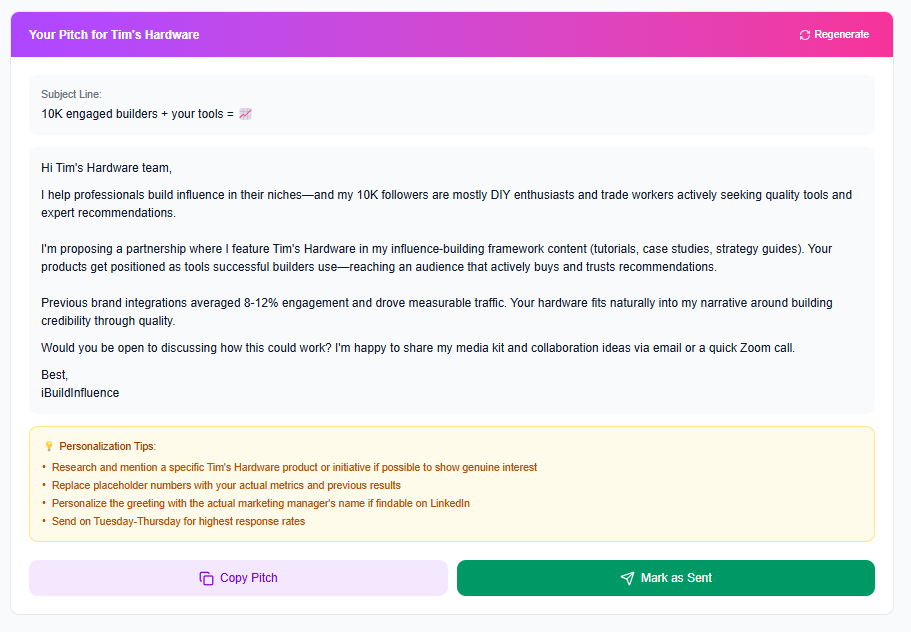
For direct revenue, Pitch Machine helps you draft brand pitches quickly, and Deal Pipeline / Revenue Pipeline tracks opportunities from pitch to payment so you can build predictable income. You can also use Rate Calculator to set clearer pricing and Media Kit with live stats to make sponsorship conversations smoother. These tools support the “all streams, one system” approach creators need to follow YouTube’s changing realities.
Build a diversified revenue mix: keep AdSense as a baseline while adding membership and community monetization (Super Chat/Super Thanks) and direct revenue (affiliate and sponsorships). The best combination depends on whether your audience is more “watch-and-learn” or “show-up-and-participate.” Track which streams grow alongside watch time and engagement.
Memberships and Super Chat/Super Thanks are driven by viewer relationship and participation. To maximize earnings, publish member-exclusive value on a consistent schedule and design live content to invite chat. Stay transparent with benefits and keep interactions genuine so you don’t lose trust.
Choose affiliates when your content naturally leads to tool or product usage during tutorials, comparisons, or workflows. Choose sponsorships when you can package outcomes for a brand and provide a clear audience fit. Many creators do both: one or two affiliate integrations per topic plus occasional sponsorships on their highest-performing formats.
Monetize with a revenue ladder: AdSense + community monetization + direct revenue streams.
Stabilize AdSense by improving retention and audience quality, not by chasing shortcuts.
Memberships and Super features succeed when you design content for interaction and belonging.
Affiliates convert best with use-case alignment; sponsorships convert best with outcome-focused storytelling.
Use a single content creator workflow to plan, produce, measure, and pitch—consistently—so your mix grows over time.
Found this helpful? Share it:
iBuildInfluence Team
Creator growth strategist at iBuildInfluence. Helping content creators land brand deals, grow their audience, and build sustainable creator businesses.
More from iBuildInfluenceJoin thousands of creators using iBuildInfluence to land brand deals, grow their audience, and build real income.
Start Free ΓÇö No Credit Card RequiredAugust 26, 2026
August 21, 2026
August 13, 2026